
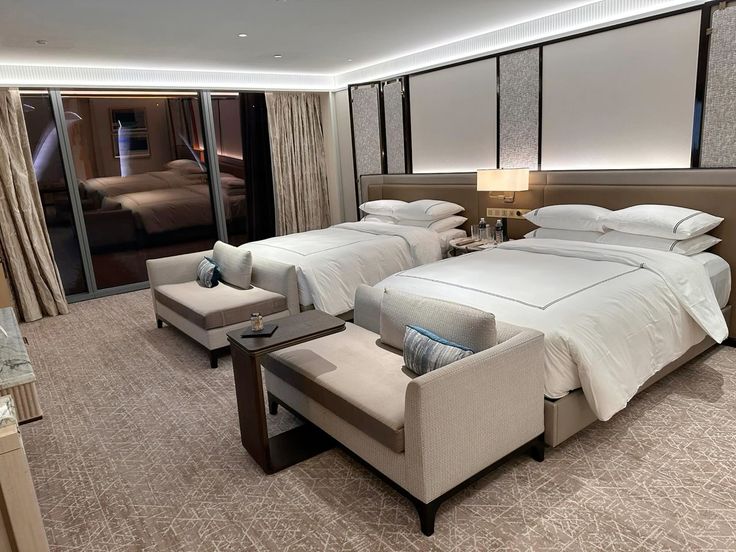
Rooms built for rest, not performance.
This is a practical guide: how the blackout holds at dawn, where you place your bag without thinking, what the bathroom feels like when the harbour air is cold.
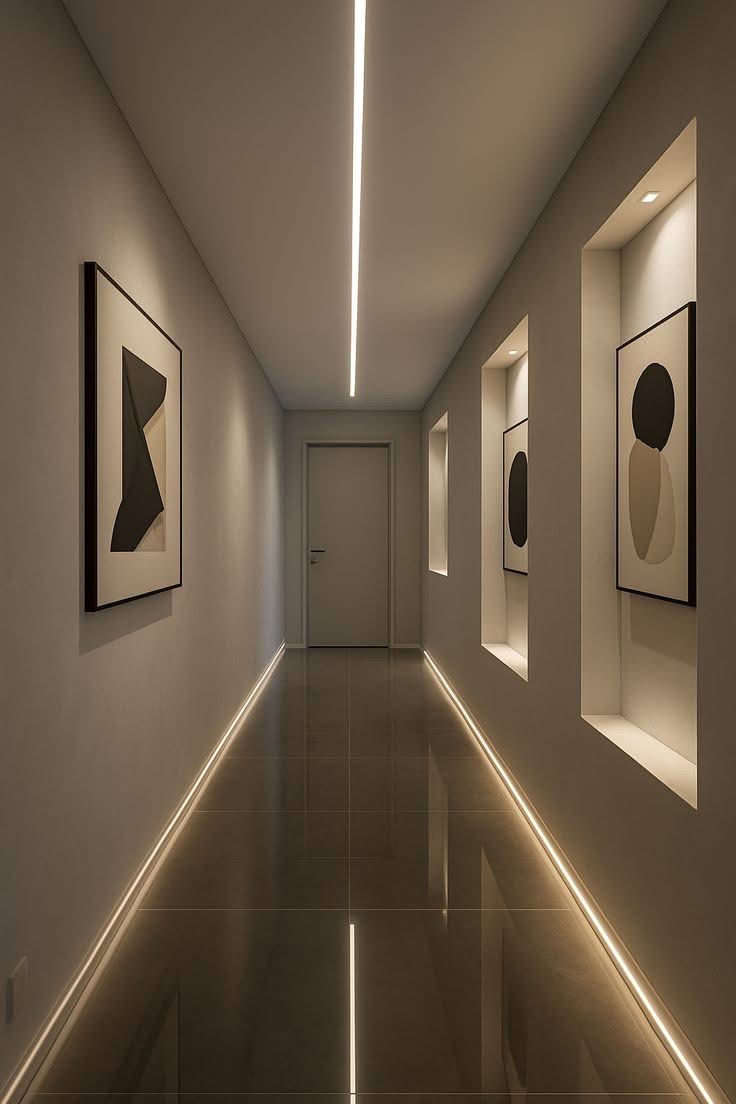
Sound, the invisible amenity
The first test: close the door. If you hear the corridor like a radio, sleep is compromised. Here, doors close with weight, and the hallway sound fades to near-nothing.
The second test: HVAC behavior. Good systems are boring. They don’t click, whine, or surge. The room keeps a stable temperature without waking you.
Room types (written like inventory notes)
Choose by light, space rhythm, and what you need at the end of the day.
Harbour King
For sunrise watchers and quiet workers. The window becomes a clock—grey, then silver, then clear.
- King bed with medium-firm support
- Desk facing daylight (no lamp glare)
- Harbour view with weather drama
- Shower pressure: stable, warm-up quick
Diary detail: best chair for reading sits near the window edge, not center.
City Twin
For friends travelling light, or early departures. Practical layout, simple circulation.
- Two twin beds with crisp linen
- More storage hooks than you expect
- Fast morning access to elevator
- Night lighting designed for quiet movement
Diary detail: you can pack without waking the other person.
Documentary Suite
Space to slow down—separate seating, longer exhale, better for week-long stays.
- Separate lounge zone (soft, matte textures)
- Deeper bathtub + walk-in shower
- Windows that hold light into late afternoon
- Ideal for editing photos at night
Diary detail: the suite is quiet enough to hear your own thoughts.

Sleep kit: the small things that decide comfort
A room is a system: where you place your phone, how you charge, where your coat hangs to dry. We record these because they matter more than slogans.
- Bedside outlets positioned for real use (not hidden behind furniture).
- Reading lights that don’t turn the whole room into a stage.
- Bathroom shelf space for more than one person’s routine.
- Mirrors placed for daylight, not harsh overhead glare.
Next: Dining — what you’ll actually eat, and when it tastes best.
Accessibility & practical considerations
What to know before you arrive, written plainly.
Mobility
Step-free routes from lobby to elevator. Clear signage. Staff assistance available any hour.
Tip: mention mobility needs in advance via the contact form.
Allergies
Request hypoallergenic bedding. Housekeeping can remove feather items by preference.
Diary note: the air feels neutral—no strong scent masking.
Family rhythm
Rooms with quieter corner positioning are available. Ask for a room away from elevator traffic.
The building is calm; the key is choosing the right corridor.